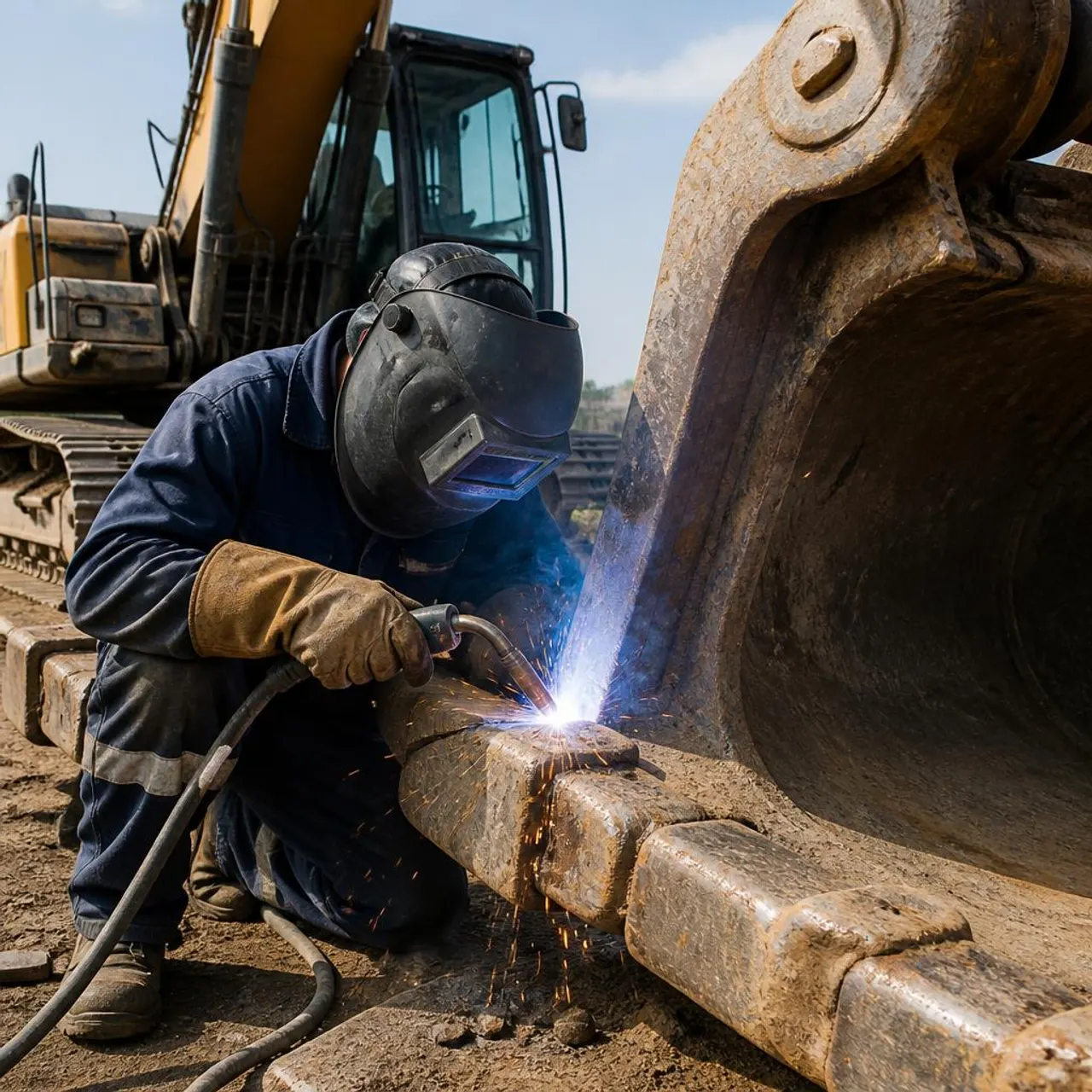
Heavy Equipment Welding
Heavy Equipment Welding in Your Yard
Heavy equipment is built to work hard, and the steel takes the punishment. Booms crack at stress points, bucket edges wear away, pins wear out their bores, and frames take impact. Hauling a machine to a shop is expensive, and often unnecessary.
Heavy equipment welding in the field brings the repair to the machine. For contractors, farm operators, and fleet owners around Kansas City, that means the machine stays on site and the repair work happens beside it.
Heavy equipment welding repairs cracked booms, worn bucket edges, loose pin bosses, and damaged frames where the machine is parked. You need it as soon as a crack appears, because cracks grow under load. Cost depends on the size of the damage, any reinforcement plate, access in the yard, travel, and how much preparation the metal needs.
The problem
Why heavy equipment fails where it does
Repeated load concentrates stress at the same places: boom and stick joints, bucket lips, loader arm pivots, and frame corners. Small cracks start there and grow with every working hour until something gives.
Catching a crack early is cheaper than repairing a break. If you can see a hairline split, a worn edge, or a loose looking pin boss, tell us before it travels.
Scope
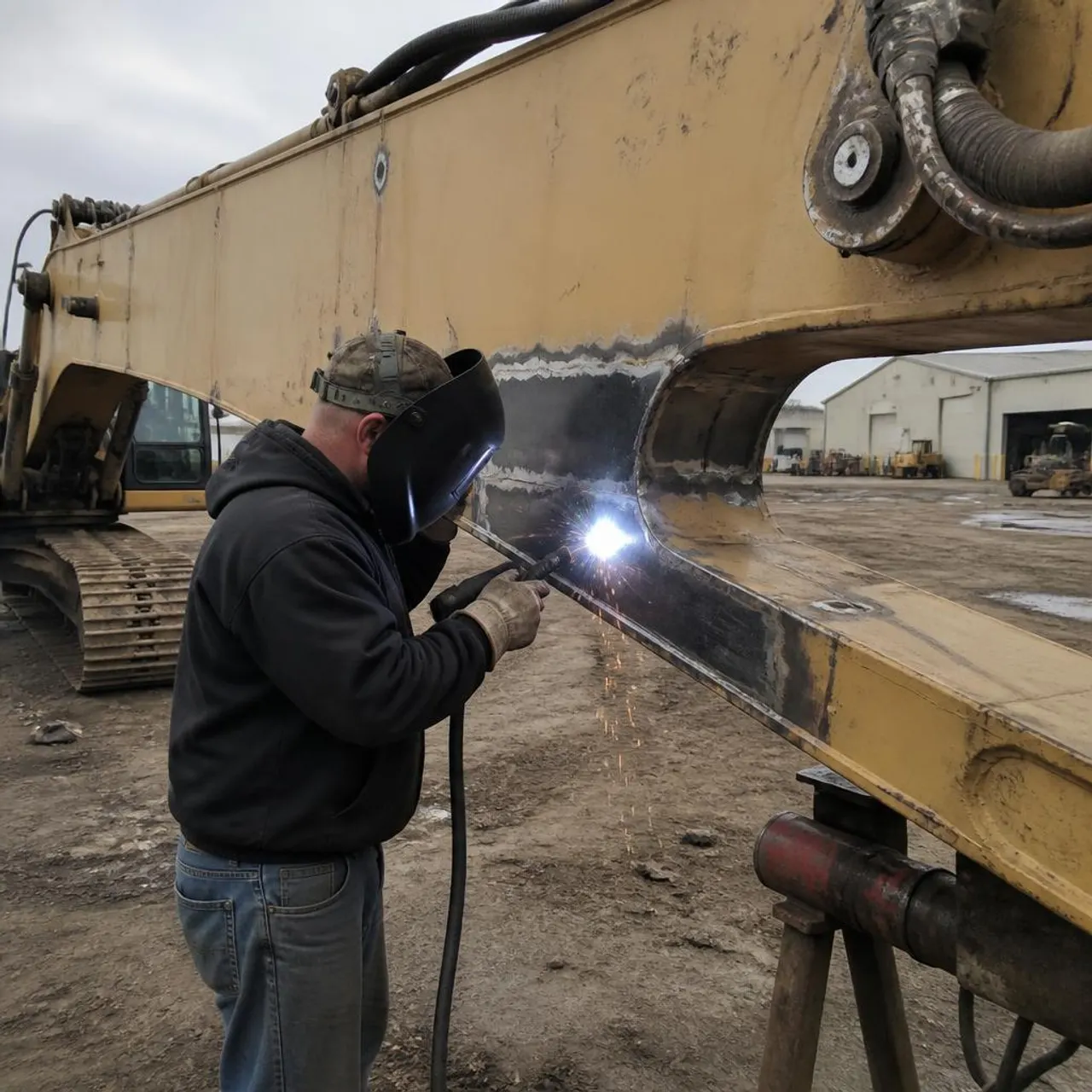
Heavy equipment repairs welders take on
These are the kinds of jobs this service covers. If your work is close to one of them but not exactly the same, describe it and the welder will tell you whether it fits.
Booms and sticks
Cracked weldments and reinforcement plates on excavators.
Buckets and edges
Worn lips, cracked sidewalls, and replacement cutting edges.
Loader arms and frames
Pivot reinforcements and cracked frame members.
Pin bosses and bores
Worn or cracked bosses that hold pins in alignment.
Attachments
Thumbs, hitches, quick couplers, and custom brackets.
Farm and trucking steel
Implements, trailers, and truck components under heavy load.
Process
How a field repair on heavy equipment goes
Four steps keep the work organized from the first message to the walk through.
Assess the damage
The welder looks at the crack or wear, its location, and what the machine is expected to do.
Prepare the metal
Damaged material is cleaned back and prepared so the repair can bond properly.
Weld and reinforce
The repair is made, with added plate or reinforcement where the design calls for it.
Return to work
The welder explains what was done and what to watch as the machine goes back into service.
Ground conditions and access for large machines
A big machine needs firm, level ground and room around the repair area. Mud, ruts, and tight yards affect how the welder positions the rig, so describe what the site is like. Parking the machine with the damaged area reachable and the boom or arm supported saves time and keeps everyone safer.
If the machine is hydraulic, lower the attachments to the ground and shut it down before the welder arrives unless you have agreed otherwise.
Planning around your work schedule
Downtime is the real cost on a job. A good welder plans repairs around what the machine needs to do next, and is honest when a repair is a short term fix and when a larger rebuild is the better use of your money.
For fleets, ask whether several machines can be looked at in one visit; photos and a short list of problems with your quote request help.
Questions
Questions about heavy equipment welding
Short answers for this service. More general questions are on the FAQ page.
Can an excavator be repaired without moving it?
Often yes. Many boom, stick, and bucket repairs can be done in the yard where the machine is parked, depending on access and the extent of the damage.
What if I am not sure how bad the crack is?
Send photos with your quote request or call. The welder can tell you what they see and how urgent it looks.
Does this cover farm equipment too?
Yes, farm implements and trailers are steel structures that suit field welding. Describe the equipment and the welder will advise.
Related services
Other services customers often need alongside this one
Jobs rarely fit one box. These related services share some of the same planning, and each has its own page.
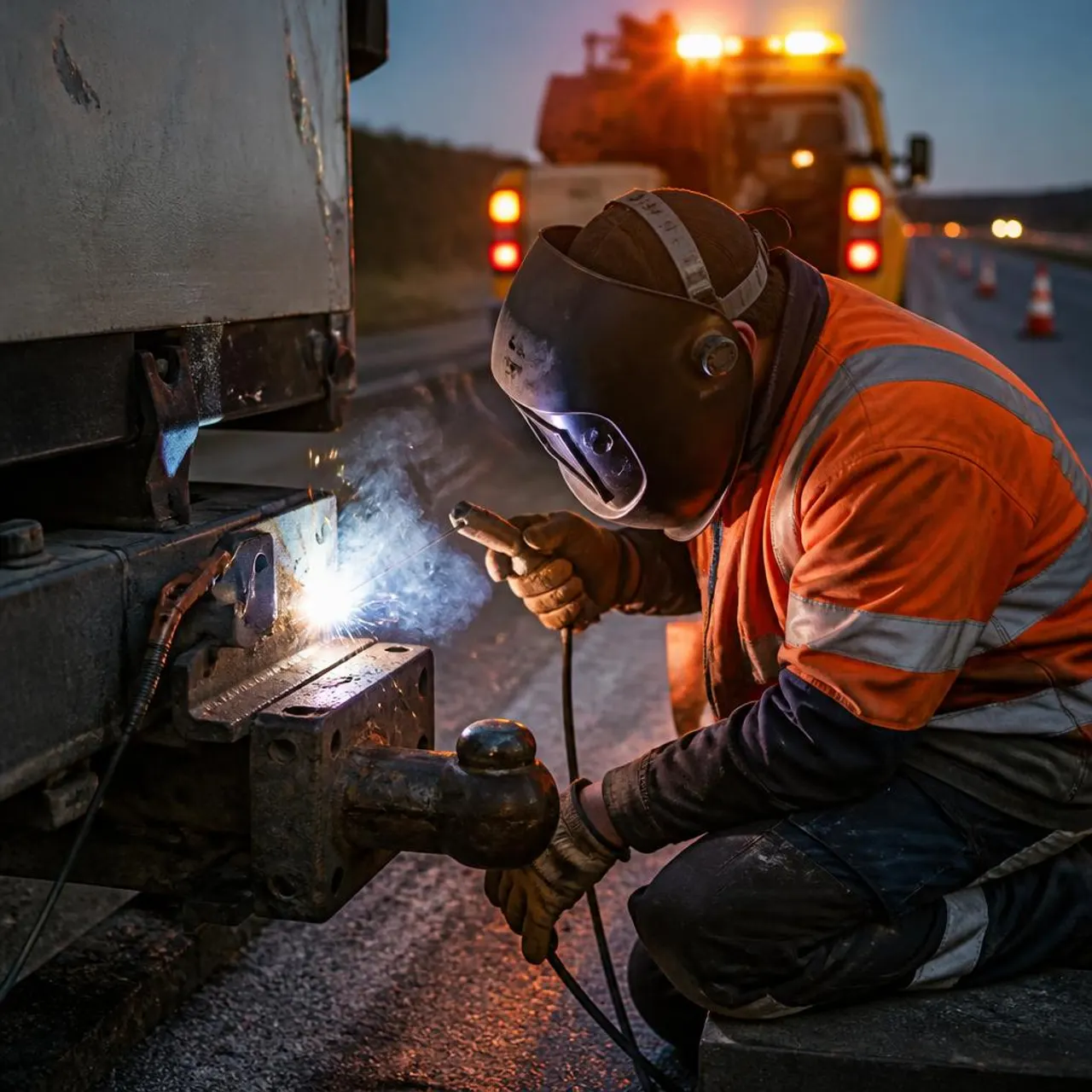
Emergency Mobile Welding
Urgent field repairs for broken equipment, gates, and structural metal that cannot wait for a shop slot.
Explore Emergency Mobile Welding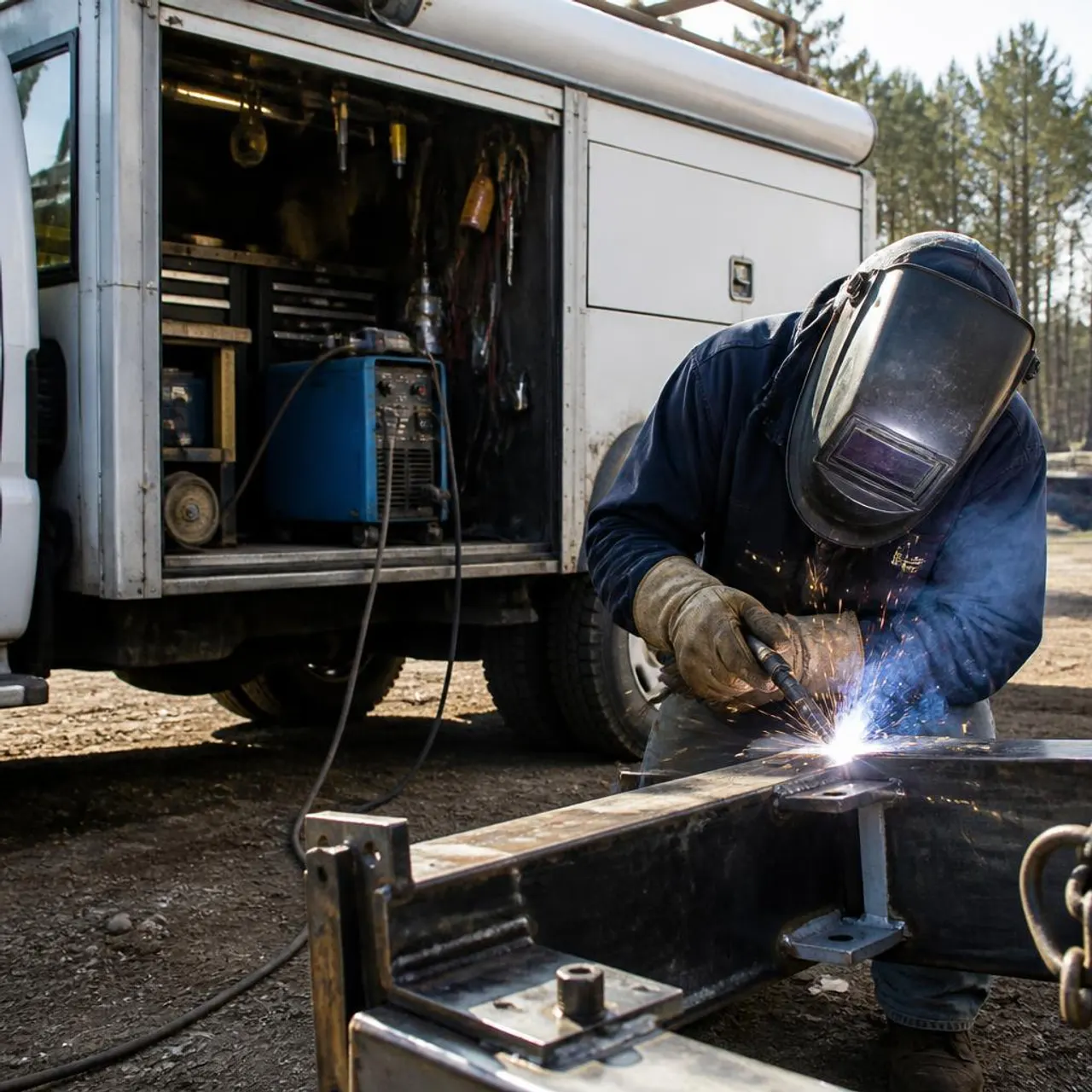
Mobile Welding
Repairs and fabrication performed at your yard, shop, or property, so the work stays where it is.
Explore Mobile Welding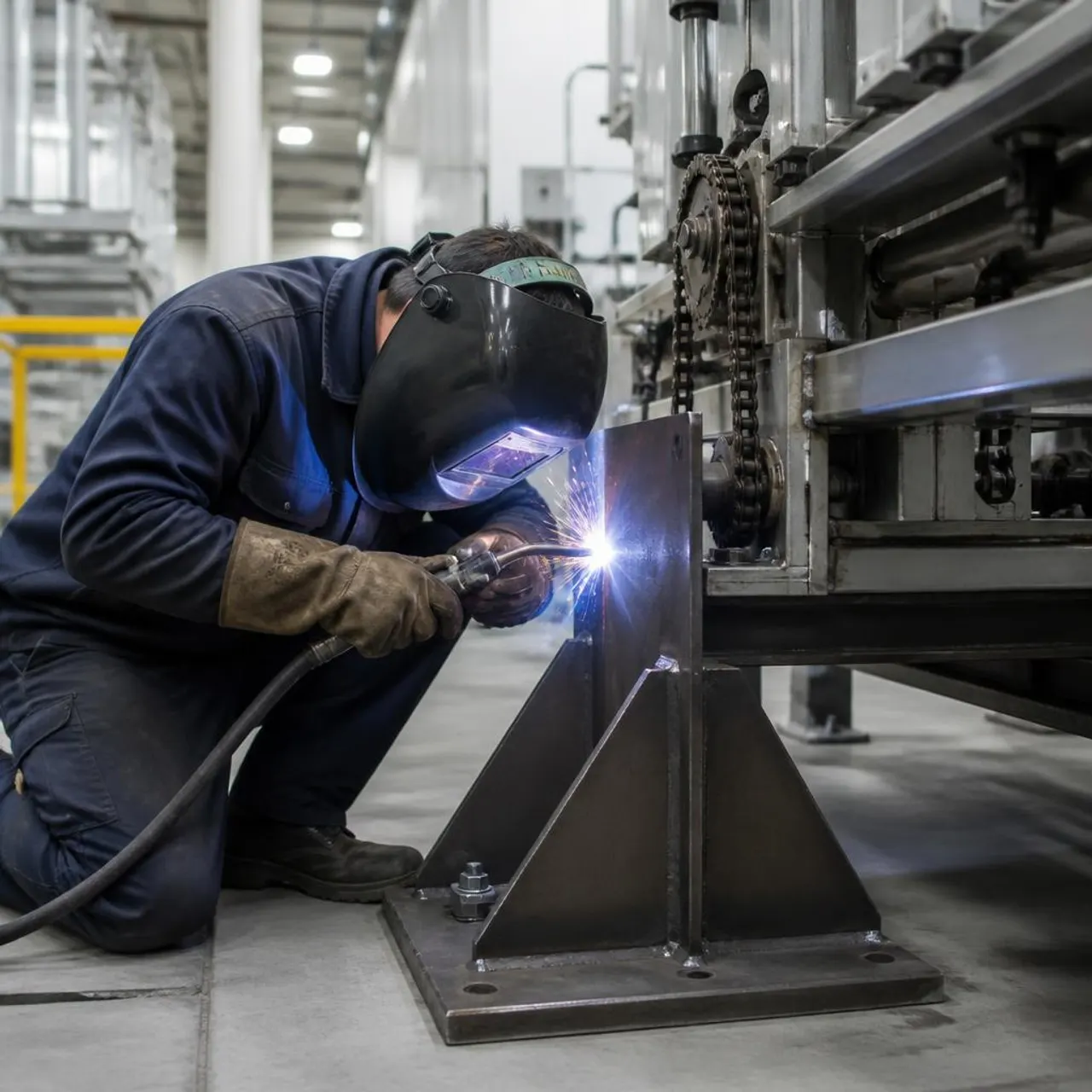
Industrial Machinery Welding
Repairs on frames, guards, conveyors, and fixtures inside plants and warehouses, planned around your production.
Explore Industrial Machinery WeldingReady to talk about heavy equipment welding?
Call us or request a quote and tell us what you need done.